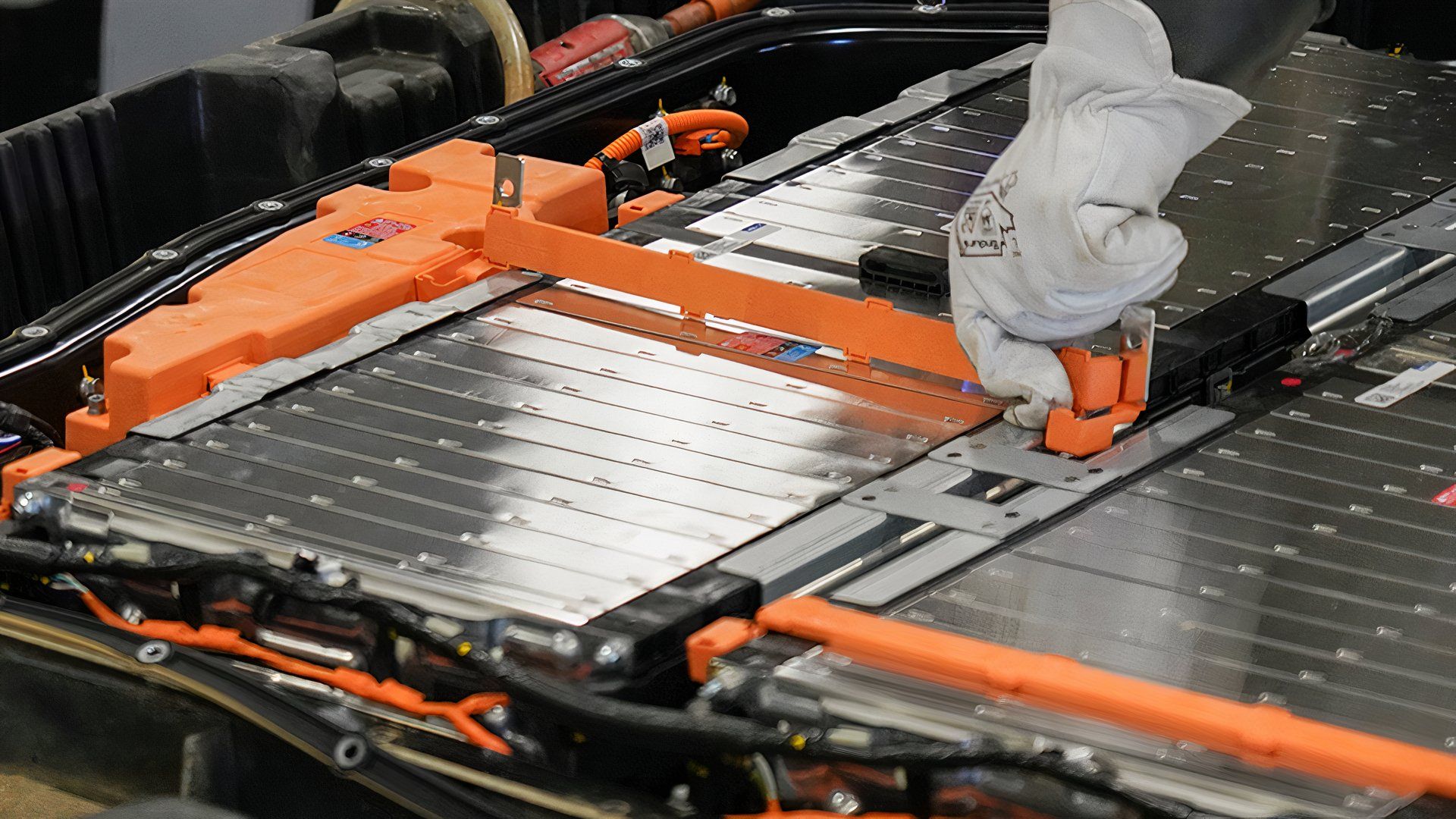
The electric vehicle field is one of the newest platforms in the automotive industry, and typically, with newer topics, there are always unanswered questions, gossip, and misconceptions. A frequently asked question about EVs is about their batteries, which typically branches out into topics such as “recycling EV batteries” and “how are electric car batteries are disposed of”. It’s not as straightforward of an answer, with all of the different regulations and guidelines that are set in place.
A question like “Can electric car batteries be recycled?” looks to be a yes or no question, but when you dive into it, you’ll see that some car brands, whether Tesla or Hyundai, have different systems set in place, which is totally common in the automotive industry. EVs are still relatively new and one of the most advancing platforms in this industry compared to their counterparts. So, if you’re trying to get all the details for EV battery recycling, you’re in the right place.
In order to give you the most up-to-date and accurate information possible, the data used to compile this article was sourced from various manufacturer websites and other authoritative sources, including the EPA, aquametals.com, recellcenter.org, and pubs.rsc.org.

Related
EV Battery Manufacturing Could Skyrocket In The U.S. This Year
A whopping 10 new battery factories are expected to come online this year, a 90 percent increase.
Can EV Batteries Be Recycled?

The simple answer is yes; EV batteries can typically be fully recycled and used in newer models. While EV batteries are more complex and larger than your typical car battery, they aren’t the first battery to go under recycling. Both lead-acid and lithium-ion car batteries can be recycled; a fun fact is that lead batteries are America’s most recycled consumer product. If you’re trying to understand the difference in batteries, the larger EV battery stores more energy and uses
lithium-ion chemistry
for power, whereas a small gas-powered battery uses lead-acid chemistry and is really only used for starting the engine and other power auxiliary systems.
The Different Ways Of Recycling A Battery

Recycling EV batteries isn’t as simple as you’d think, and there are many ways you can pursue it. The three main ways for EV battery recycling are: Hydrometallurgical Recycling, Direct Recycling, and Pyrometallurgical Recycling. Those are some big names, but the processes are pretty straightforward.
Hydrometallurgical Recycling
Hydrometallurgical Recycling seems to be the most promising process in the automotive industry which leaches the spent cathode material, removing and purifying the leach solution, and recovering the metal salts. Of course, you could take an entire college class over this process, learning all the ins and outs and steps, but this is the basis of the recycling method. The main advantage of it is recovering high-purity pay metals such as Ni, Co, Mn, and Li, reaching higher recoveries of up to 99.99 percent.
Pyrometallurgical Recycling
Pyrometallurgical Recycling, as the name states, brings some heat into the equation by roasting lithium-ion batteries (upwards to 1400°C) in a furnace and extracting valuable materials such as Co, Ni, and Cu. This process and the high temperatures allow for the separation of the wanted materials in a different way to collect the desired metals. This method does have some drawbacks due to it being “energy-intensive”, needing large quantities of fossil fuels, along with generating considerable amounts of hazardous fluoride and carbon dioxide emissions.
Direct Recycling
Direct Recycling is similar in that this method recovers, regenerates, and reuses the same battery components. However, due to the popularity of the Hydrometallurgical method and the second pick of the liter, Pyrometallurgical Recycling, Direct Recycling hasn’t been studied as much as the two. The difference is that Direct Recycling recovers and reuses rather than breaking down the raw materials.
Are Recycled EV Batteries Still Operatable?

So, the short and sweet answer to “Can electric car batteries be recycled?” is yes. Recycling EV batteries is still an ongoing learning curve, and it’s not stopping various organizations and companies from finding better ways or optimizing the process. While a central focus point in EV battery recycling is to get those valuable materials back, which, as you could have guessed, costs a pretty penny, the other reason is that they can take used batteries and use the recycled materials for new ones. When you think of a “pre-owned phone,” you know it’s hand-me-down or second-owned, whereas recycled batteries don’t really come with that title.
Due to the materials still being active and creating energy, brands can recycle one and make a new one to the same degree as it was when it was first made. While it seems like an ever-ending cycle, in today’s age, many of these materials have a second lifespan, but at some point, they will be inoperable. To better understand this, EV batteries aren’t just made up of one material; rather, they are made up of several, which you saw above. When an EV battery loses function, brands will recycle it because not every single material was fully used. All these questions don’t have as straightforward answers as you’d like, but these processes have been around for a long time, hence the coinage of “recycling”.

Related
Electric Vehicle Battery Packs May Soon Be Repairable
Batteries are the biggest components in EVs, and here’s a long-term, cost-effective solution if you own or are planning to won an EV.
Each Region Has Its Own Perimeters Around EV Battery Recycling

When it comes to the guidelines and perimeters around EV battery recycling and electric car battery disposal, there will be hundreds of answers due to various countries implementing their own systems. Regarding the United States, there are a number of federal regulations that cover almost every area you could think of. Currently, the Environmental Protection Agency (EPA) is working on a proposal for universal waste standards that are specifically tailored to lithium batteries. Organizations such as the EPA take the mantle on this one and understand that recycling an EV battery will help prevent the downsides of “inappropriate battery disposal” and provide a cleaner energy transfer.
So, as of now, you’ve learned the ins and outs of EV battery recycling, but the area that also gets frequent questions is electric car battery disposal. As you could have guessed, it’s not an easy question to answer, but the EPA helps lay out the restrictions and requirements for doing it legally. There are procedures for “household hazardous waste,” and nonhousehold hazardous waste, and electric car batteries do not fall into the category of the household. There are several facilities that run on the standards of battery disposal and understand regulations around hazardous waste. Much of the recycling, dismantling, or disposal processes are the same procedures minus the part where brands reuse those materials to build another EV battery. Instead, these plants remove the battery, dismantle it, shred it into smaller pieces, separate the desired materials, and crush or purify the metals.

Related
This Is, Surprisingly, The Best Solution To EV Battery Fires
This is counterintuitive, but perhaps the most sensible option.
How It Affects The Environment

With hazardous waste and electric car battery disposal being discussed, it’s common to consider how these processes affect the earth. After all, if these batteries are left in landfills, their toxic materials can pour into the soil and groundwater, and that’s just one downside to electric car battery disposal. To put one thing out there, electric cars and their batteries may get a lot of flak, but they are pushing for a more sustainable future; the main issue is that there aren’t universal regulations or restrictions, making it easy for this industry to go haywire in terms of keeping the environment safe.
The EPA reported 124 fires between 2017 and 2020 due to lithium-ion batteries. Without sugar-coating it, as of now, and the way it’s heading, the battery used to power electric cars is hurting the earth and the environment. This doesn’t mean people should yell, “EVs are bad for the world and worse than gas-powered cars,” because there isn’t just one person to point the finger at. Both platforms aren’t helping to sustain the earth, but on paper one is trying to do better than the other. This is why the EPA is focusing a good portion of its time on regulations and restrictions on EV batteries. This is because EVs and what they’re powered on could be beneficial and less harmful, but the current systems in place aren’t the most optimal.
Are EV Batteries And Waste Worse For The World?

The quick and short answer is that the lithium-ion batteries that electric cars operate on produce more carbon dioxide emissions when produced than the production of gasoline-powered cars. Hold your horses for a second because this can be taken out of context. This is saying that the “production of the two”, not “while driving”. Sure, EV batteries cause more carbon dioxide during production, but the zero emissions afterward make up for it. An accusation is that EVs and charging stations emit more carbon dioxide than gas-powered cars, which is a common EV myth that has been debunked. A study showed that about five percent of the world’s lithium batteries are recycled compared to 99 percent of lead batteries being recycled in the U.S. This answer will need thorough research, and as seen in the car world, it’s a hard answer to sell.
Both platforms have their downsides, with the EV platform getting the short end of the stick with the most attention looking to it and throwing blame, but you simply can’t say EV batteries are better for the world compared to their gasoline-powered counterparts. The reason for this is that there is a book’s worth of information and data as to why it is more beneficial and can’t be a simple one-minute explanation. The main takeaway here is to better understand electric car battery disposal and answer “Can electric car batteries be recycled?”. These two questions were answered but easily showed that the current systems in place, while they’re technically working, aren’t the most optimal. There needs to be heavily regulated systems set in place for electric vehicles to really show how beneficial this platform can be for the environment and the earth.