
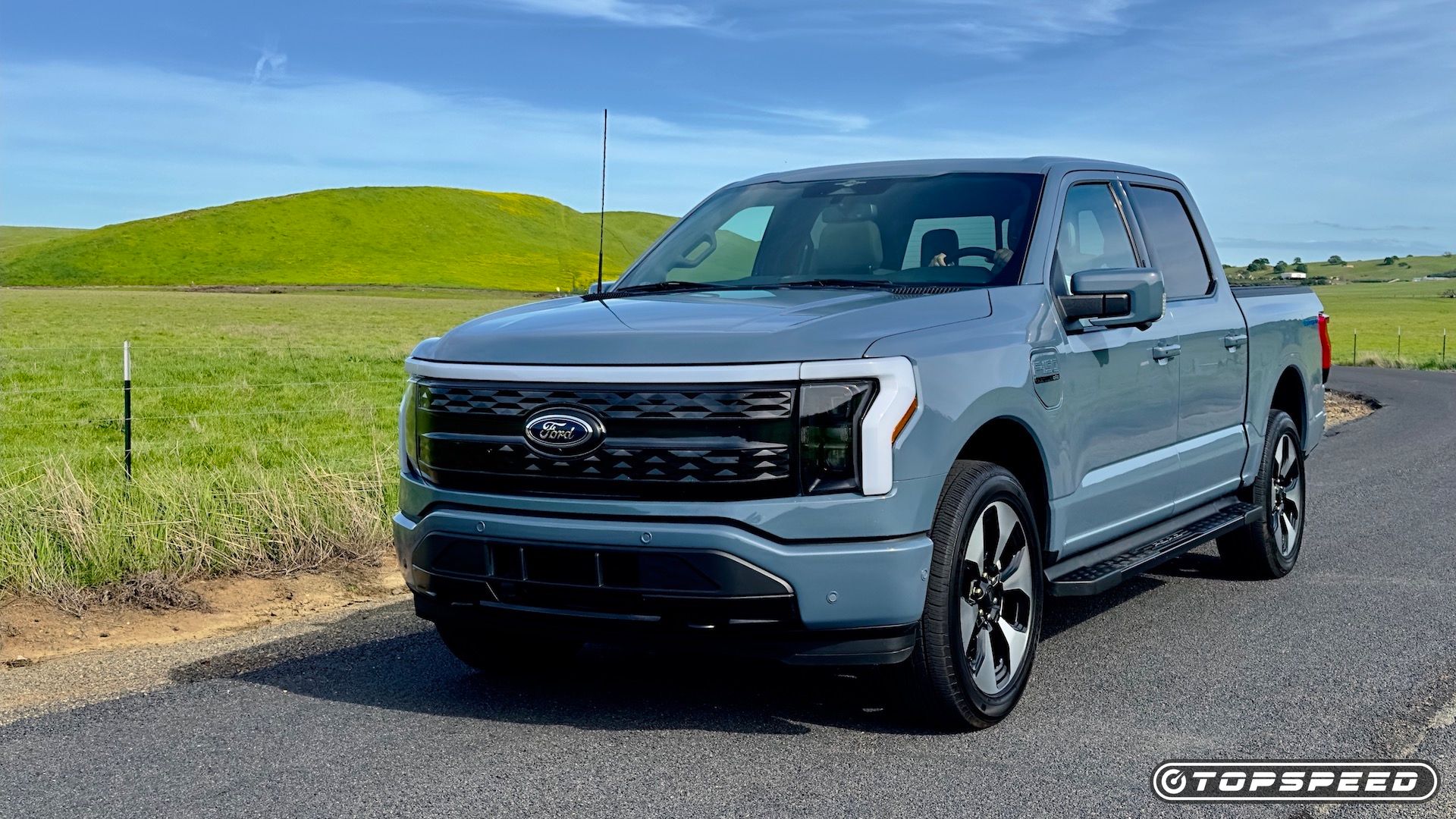
There are certainly a few good values out there, but oftentimes electric vehicles are expensive – and sometimes eye-wateringly pricey – which is a major reason why the U.S. federal government introduced a tax credit of up to $7,500. But, if passed by the legislature and signed into law by the president, two bills recently introduced by Republican senators could make EVs much more expensive, not less.

Related
Trump’s Legislative First Strike Against EVs Brings Uncertainty
President Trump’s battery of executive orders strikes hard at the previous administration’s policy on EVs, but resistance mounts early.
The ELITE Act

The more impactful of these two pieces of legislation is cutely called the Eliminating Lavish Incentives to Electric Vehicles Act or ELITE for short. This proposed bill was introduced by Senate Majority Whip John Barrasso of Wyoming. The legislation aims to repeal the $7,500 federal tax credit for electric vehicles.
“The hard-earned money of taxpaying Americans should not cover the cost of the luxuries of the nation’s elite. Nor should we be allowing China to infiltrate our markets and undermine our supply chain,” said Senator Barrasso in a news release. “Repealing these reckless tax credits from the Biden administration once and for all will stop Washington from giving handouts to our adversaries and high-income individuals. Wyoming families should not foot the bill for expensive electric cars they don’t want and can’t afford,” he added.
This proposed bill is co-sponsored by a range of other U.S. senators including John Thune (R, SD), James Lankford (R, OK.), Tom Cotton (R, AR), Joni Ernst (R, IA), and Rick Scott (R, FL.) to name just a few. Not surprisingly, all of these senators are Republicans.
The Fair SHARE Act
The other piece of legislation that aims to increase the cost of EVs was proposed by Senator Deb Fischer of Nebraska. The Fair Sharing of Highways and Roads for Electric Vehicles Act, Fair SHARE for short would “ensure that electric vehicles pay into the Highway Trust Fund (HFT) to support the construction and maintenance of U.S. roads and bridges.”
The Tier 1 portion of the Fair SHARE Act proposes imposing a $1,000 one-time fee at the point of sale on all new electric vehicles. Since EVs are not subject to the gas tax, this outlay would help pay for the repair and maintenance of roads and bridges. It’s assumed electric vehicles do more damage to infrastructure because of their increased weight compared to combustion-powered cars and trucks. There’s also a Tier 2 to the Fair SHARE Act that targets heavy trucks. This would impose another one-time fee on each vehicle battery module that weighs more than 1,000 pounds. At $550, this charge would also be imposed at the point of sale.
According to a summary of the proposed legislation, that $1,000 fee “equals the average amount consumers currently contribute to the HTF from gas taxes calculated over a span of 10 years.” Legislatures assume most combustion-powered vehicles last for around 100,000 miles or approximately 10 years. As with the ELITE Act, this bill is co-sponsored by a couple other Republican Senators including Cynthia Lummis (WY) and Pete Ricketts (NE). Dusty Johnson, a Republican representative from Alabama, has introduced “identical companion legislation” in the U.S. House.
Buy Now Because Prices Could Rise

If you’ve been shopping for a new EV, you might want to pick one up sooner than later. Inflation has certainly made vehicles more expensive, but if either of these proposed bills is signed into law, it will further increase the prices of electric vehicles by eliminating federal incentives and imposing additional fees.


