
Electric vehicles (EVs) have changed a lot of things about owning a car, from emissions-free commuting to fewer trips to the repair shop. But, as EV adoption grows, so do questions about the hidden realities of maintaining these new types of vehicles. Ownership costs don’t stop at the sticker price the day you leave the dealership, and first-time EV buyers might be surprised by some of the unexpected costs of ownership. While EVs avoid some of the maintenance headaches associated with gas-powered cars, they bring their own sets of challenges.
From paying attention to battery health to understanding how routine wear and tear differs from regular vehicles, EV ownership comes with a new learning curve. Over five years, maintenance costs start to add up no matter the type of car, but the costs associated with EVs are not always the same as gas burners. Let’s take a look at the real maintenance costs you can expect over the first five years of EV ownership.
In order to give you the most up-to-date and accurate information possible, the data used to compile this article was sourced from various manufacturer websites and other authoritative sources, including Kelley Blue Book, and the Natural Resources Defense Council.

Related
Here’s Why Buying An EV Is Actually A Financially Smart Decision
Buying an electric vehicle can be daunting, but with recent advancements and a proven track record, it can be a financially smart decision.
Hidden Maintenance Costs Of EV Ownership
Battery Health And Replacement Concerns
The battery is the heart of any EV, and keeping it in tip-top shape is essential. Over time, batteries can degrade due to charging cycles and extreme temperature exposure, reducing overall range and performance. Replacing a battery in an EV is one of the most expensive repairs owners might face, with costs ranging from $4,000 to over $20,000, depending on the model. While most manufacturers offer warranties covering batteries for eight years or 100,000 miles, issues outside of warranty periods or accidental damage can create major expenses.
Outside of standard degradation and exposure to the elements, battery health is also influenced by charging habits. Fast charging stations, though convenient, can accelerate degradation over time if used excessively. This makes it important for EV drivers to monitor battery usage and get most of their charging done with slower charging methods, like at home using a Level 2 station.
Tire Wear And Replacement

Electric vehicles deliver instant torque, which is great for acceleration but tough on tires. EVs are also heavier than traditional cars due to their battery packs, putting extra strain on tires, especially in high-performance models. This means EV owners often need to replace tires more frequently, sometimes as early as every 20,000 miles if they opt for cheap, run-of-the-mill tires. Premium tires built to handle the weight and performance of an EV can cost between $200 and $400 each, adding up quickly for routine replacements.
Additionally, uneven wear can occur if tires aren’t rotated regularly, as EVs rely on regenerative braking systems that impact tread differently from conventional brakes. Regular tire rotations, which should be done every 5,000 miles, and alignments (once every six months is ideal) become even more critical, but these services can add up over the years.
Cooling And Heating System Repairs
Temperature management systems in EVs play an important role in maintaining battery health and cabin comfort. To get this done, most newer EVs rely on electric heat pumps and coolant systems, which can be costly to repair. Issues with these systems typically come about from high-mileage use or extreme climates, where they work harder to regulate temperatures.
Repairs for cooling and heating systems often require specialized knowledge, leading to higher labor costs. While these systems are designed for durability, unexpected failures can occur, especially in older EVs. Regular maintenance, such as checking coolant levels or addressing software updates, helps minimize risks but can still add to long-term ownership costs.

Related
10 2024 Model EVs With The Lowest Cost Of Ownership Over 5 Years
Discover some affordable and low-cost ownership EVs on the market. Your wallet might thank you after reading this.
Why EVs Are Cheaper To Maintain Than Gas-Powered Cars

Reduced Moving Parts And Simplified Systems
One of the primary reasons EVs are less expensive to maintain than gas-powered cars is their simplicity. I know that sounds a bit odd since they’re so technologically advanced, but hear me out. Traditional internal combustion engines (ICEs) consist of hundreds of moving parts, from pistons and valves to timing belts and more. In contrast, an EV motor has fewer components, eliminating the need for oil changes, spark plugs, and other routine services required by ICE vehicles. Fewer moving parts also mean fewer opportunities for mechanical failures, which translates to lower repair bills over time.

Lower Frequency Of Maintenance Needs

EVs also beat gas burners in terms of their reduced need for regular maintenance. Regenerative braking, for instance, helps extend the lifespan of brake pads by using the electric motor to slow the car down, minimizing wear and tear. Many EVs can go years before requiring brake replacements, a significant cost-saving advantage for owners.
Additionally, the absence of engine oil changes, exhaust system repairs, and routine emissions checks saves time and money. According to the Natural Resources Defense Council (NRDC), EV owners spend about half as much on maintenance and repairs compared to gas-powered car owners over the vehicle’s lifetime. With fewer components to service and simplified upkeep, EVs provide significant maintenance savings, especially for those who rack up the miles.

Related
The Real Cost Of Owning An Electric Car In 2023 and 2024
Are electric vehicles as expensive as everyone hypes them up to be? Here are the estimates for EV ownership in 2023 and 2024.
How EV Maintenance Costs Compare Across Popular Models

Top Affordable EVs With Low Maintenance Costs
Affordable EVs like the Nissan Leaf, Kia EV6, and Volkswagen ID.4 have some of the lowest maintenance costs during a five-year span. The Nissan Leaf is affordable to keep running smoothly with estimated repair costs of just $1,724 during this period. Its straightforward design and dependable battery management system reduce the need for costly repairs, plus it’s one of the cheapest EVs to buy brand new, making it a solid option for budget-conscious EV buyers.
The Kia EV6, known more for its sporty performance compared to the Leaf, also keeps repair expenses in check with average maintenance costs hovering around just $651 over five years. Kia’s commitment to durable components and long-lasting battery technology contributes to its low repair requirements, meaning you can enjoy more time behind the wheel and less time and the shop. The Volkswagen ID.4 is another solid option that combines practicality with affordability, averaging around $2,263 in maintenance costs over five years.
Luxury EVs And Maintenance Expenses
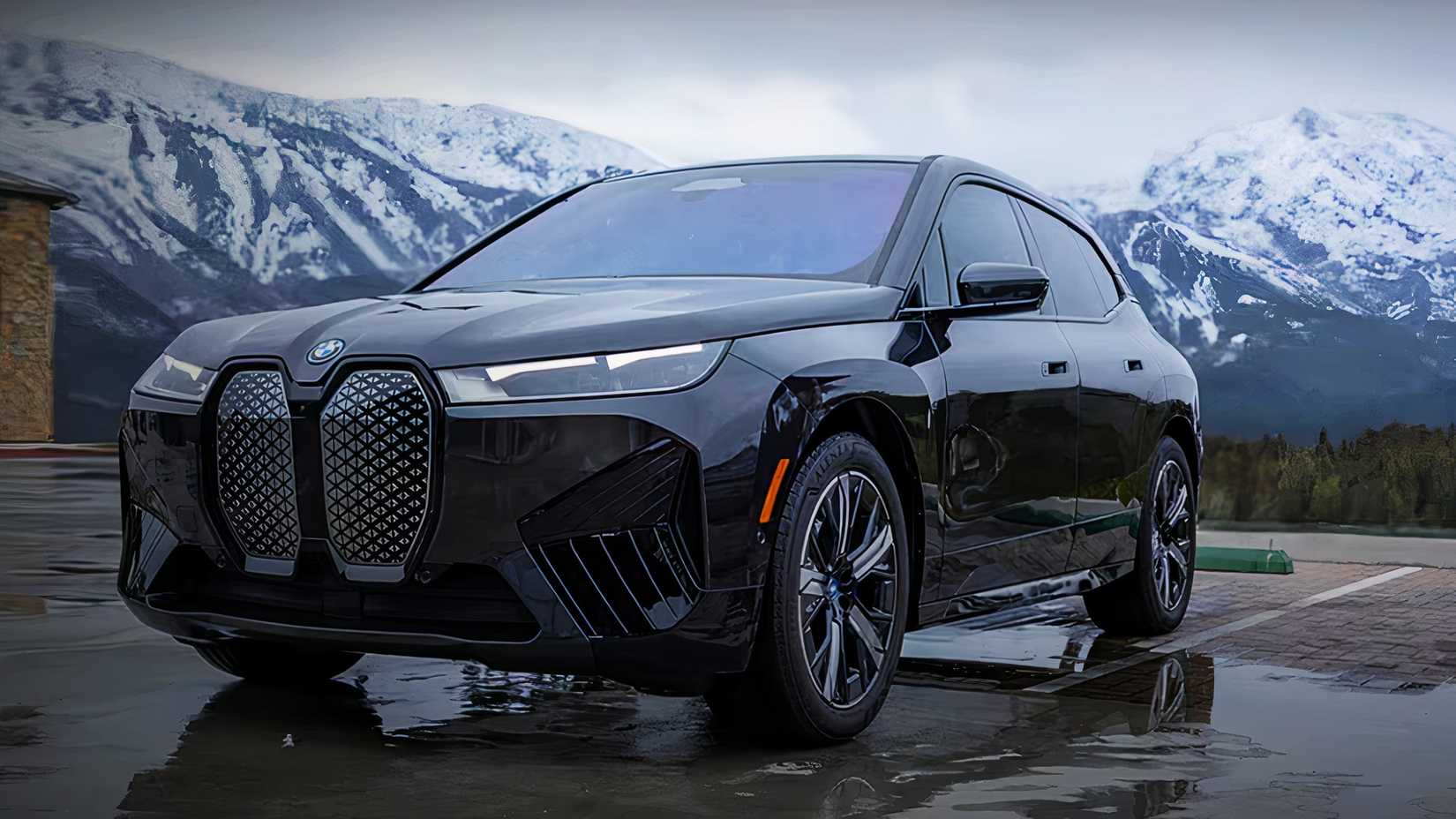
Opposite these affordable models, luxury EVs like the BMW iX and Jaguar I-Pace showcase the high maintenance costs associated with premium brands. The BMW iX, with a starting price of $87,250 for the 2025 model, incurs approximately $8,000 in maintenance and repair expenses over five years, averaging about $1,600 annually. Similarly, the Jaguar I-Pace, which starts at $72,500, averages $7.500 in repair and maintenance costs over five years, or about $1,500 per year.
Luxury brands like BMW and Jaguar have long been associated with expensive maintenance for their ICE vehicles, and their new EV offerings are no exception. For buyers seeking top-tier performance and more impressive features, these costs are just an expected part of ownership.

Related
10 Hidden Costs Of Owning Electric Vehicles
Everyone talks about how convenient EVs are, but there are a few extra costs you need to know about
Long-Term Maintenance Trends And Considerations

EV Longevity And Depreciation Impacts
As EV technology continues to mature, the question of longevity is on drivers’ minds. Modern EVs are designed to last longer than their earlier counterparts, with many models now exceeding 200,000 miles on their original batteries. Tesla models, for example, have shown minimal battery degradation of only 12 to 15 percent after 200,000 miles. This longevity translates into lower long-term maintenance costs compared to ICE vehicles, where engine wear often drives up expenses in older cars.
Depreciation remains another factor shaping EV ownership costs. While some models like the Tesla Model 3 or Polestar 2 tend to retain value better, many EVs see significant depreciation within five years. For buyers looking at the overall cost of ownership, depreciation simply cannot be ignored. This is one of the reasons that the used EV market is absolutely booming lately, helping alleviate buyers from this substantial depreciation.
Advances In EV Maintenance Technology

Technology continues to evolve, making EV maintenance better than ever before. Predictive diagnostics, powered by onboard sensors and AI, can now identify potential issues before they become major problems. For instance, many EVs send alerts for battery health or cooling system issues, allowing you to address concerns before they cause bigger problems down the line.
One of the most exciting advancements is the development of solid-state batteries. Unlike traditional lithium-ion batteries, solid-state technology replaces the liquid electrolyte with a solid material, which reduces the risk of overheating and extends battery life. These batteries promise to further lower maintenance costs by being more durable and requiring less frequent replacements. While solid-state batteries are still in the early stages of hitting the road, their adoption could change the EV industry for the better, making maintenance even simpler and more cost-effective in the future.